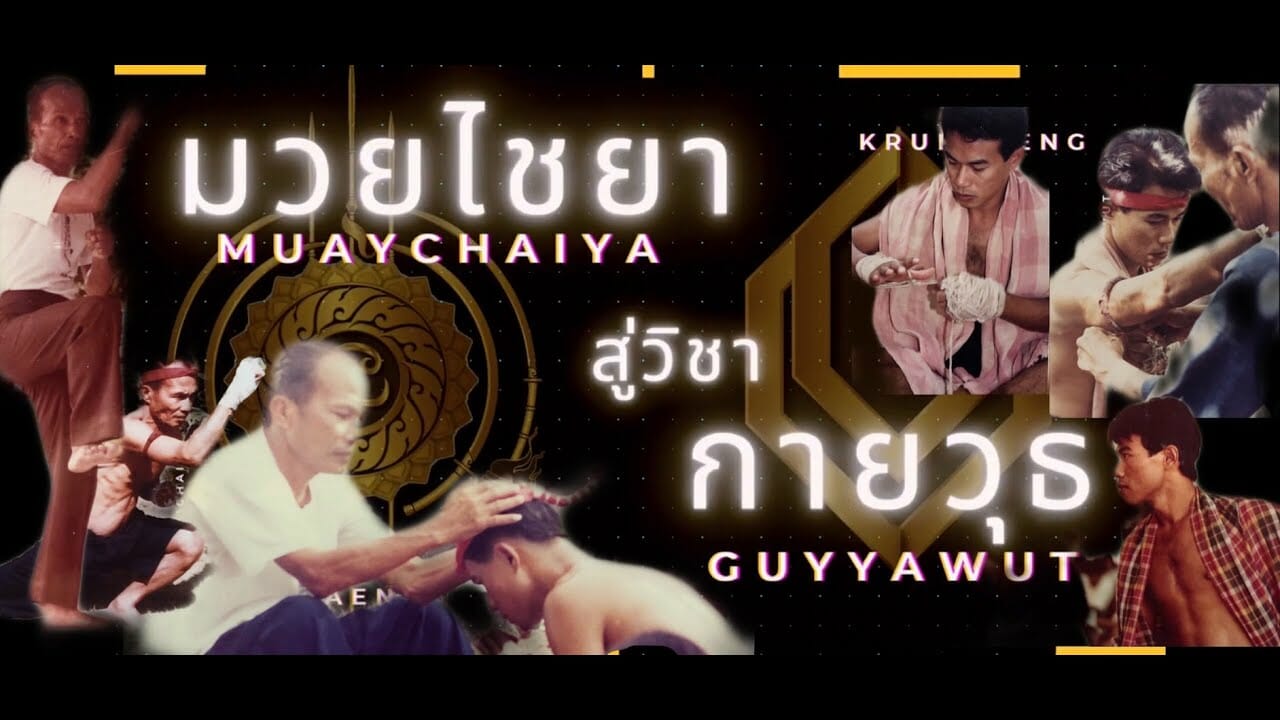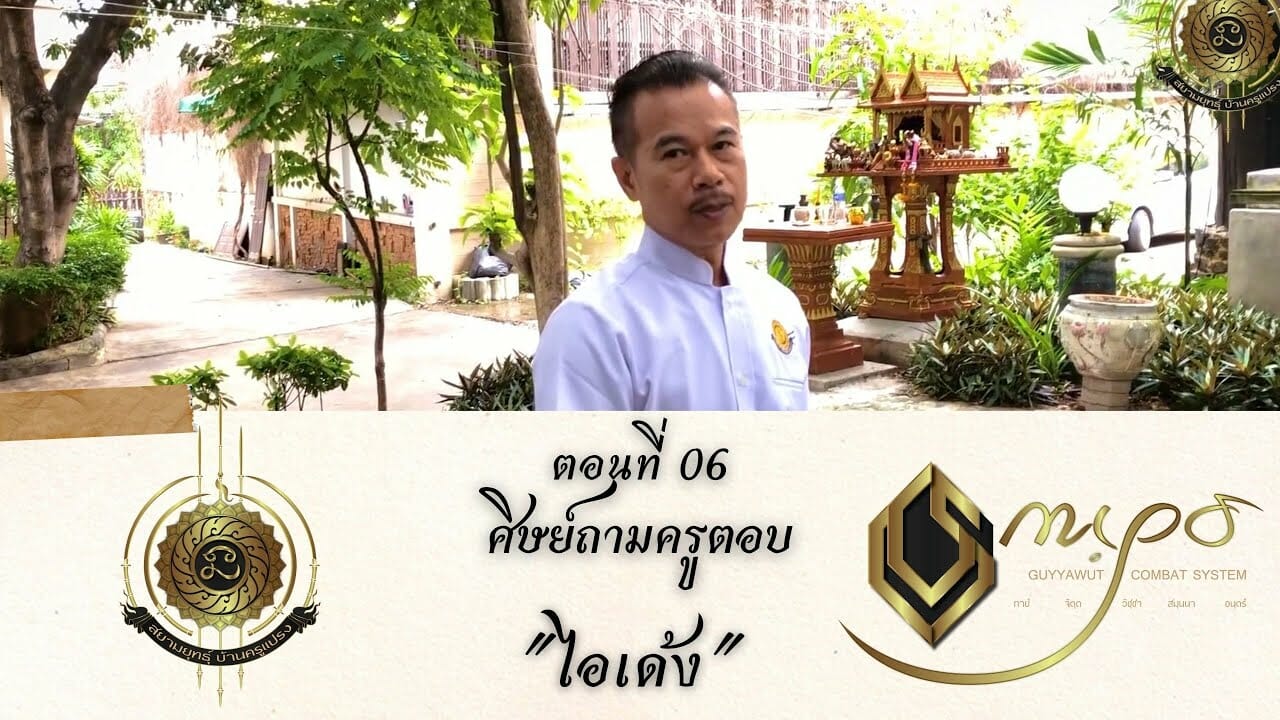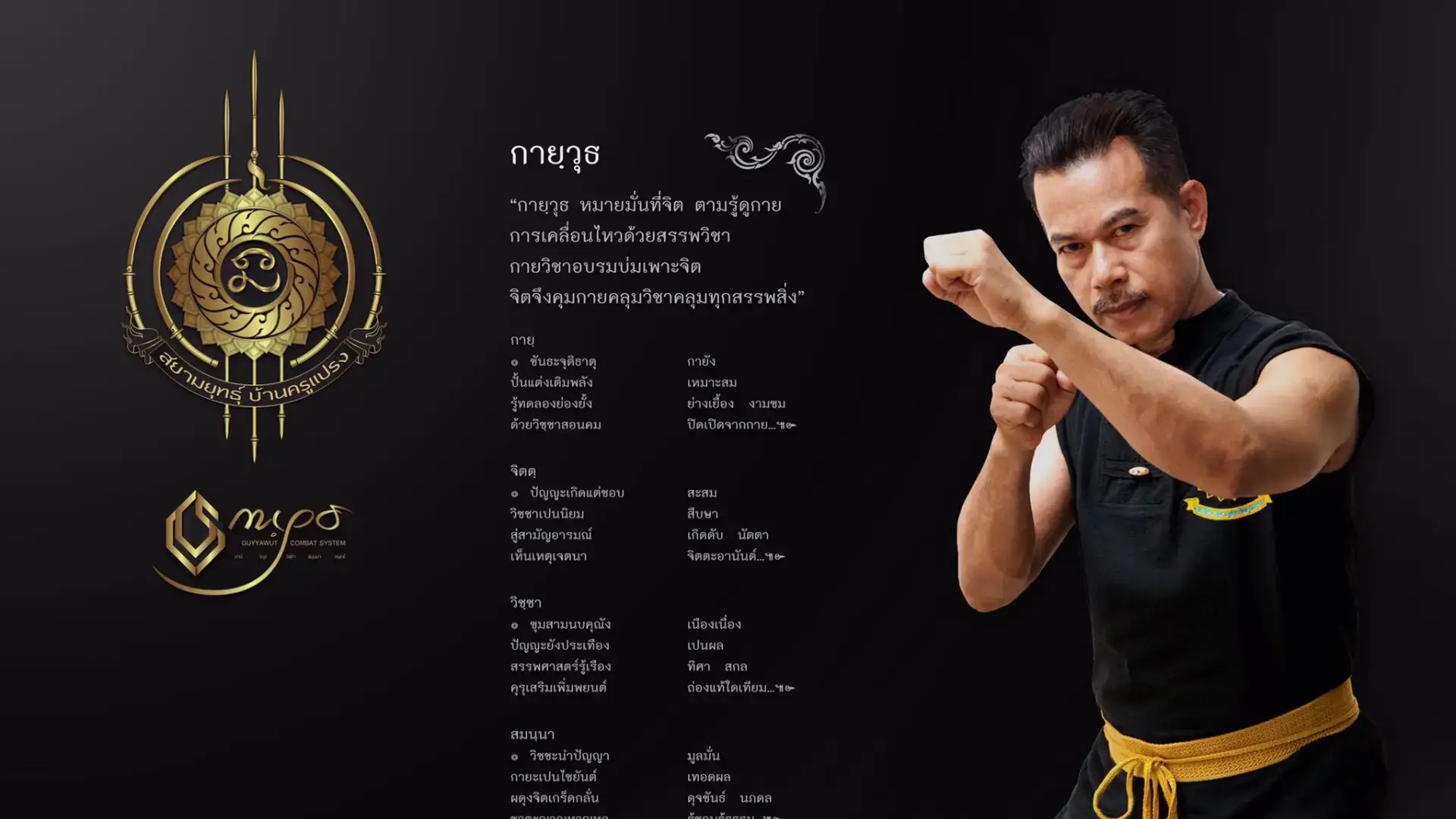
เกี่ยวกับมวยไชยา บ้านครูแปรง
หนึ่งในวิชาที่เป็นมรดกของชาติไทย "มวยไชยา"
มวยไชยาคืออะไร ?
มวยไชยาคือมวยไทยโบราณที่มีชื่อเสียงสายหนึ่ง ที่ยังคงอนุรักษ์และสืบทอดวิชามาตั้งแต่ก่อนยุคเลิกการคาดเชือก
มวยไชยาฝึกอย่างไร ?
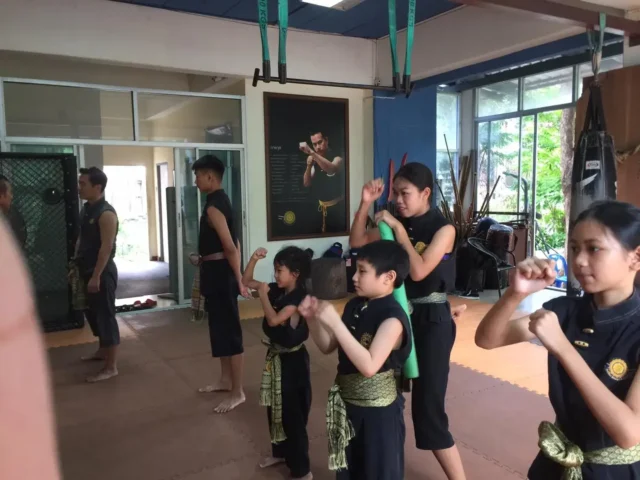
มวยไชยา ที่ศูนย์ศึกษาสยามยุทธ์บ้านครูแปรง ฝึกสอนโดยเน้นการบริหารร่างแบบพาหุยุทธ์ ซึ่งสามารถเร่งความเร็วหรือผ่อนช้าได้ เป็นการออกกำลังในรูปแบบที่ไม่ต่างจาก แอโรบิค หรือไทเก็ก
สามารถเรียนได้ทุกเพศ ทุกวัย ขอเพียงสามารถเดินหรือเคลื่อนไหวร่างกายได้ ผู้หญิงยิ่งควรฝึกฝนเพราะปัจจุบันภัยอันตรายมักเกิดจากผู้หญิงมากกว่าผู้ชาย ปัจจุบันลูกศิษย์ครูแปรงมีทุกเพศ อายุตั้งแต่ 5 ขวบ – 65 ปี
มวยไชยาแตกต่างจากมวยไทยบนเวทีอย่างไร ?
มวยไชยาเป็นศิลปะการต่อสู้ที่พัฒนาจากการเอาชีวิตรอดในศึกสงครามเป็นหลัก จึงไม่จำเป็นต้องมีกฎกติกาต่างๆ มีหลักวิชาการเช่น การทุ่ม การจับล็อค การหัก การฝึกการล้ม หรือการต่อสู้บนพื้น เหมาะสำหรับฝึกเพื่อใช้ในการป้องกันตัวบนถนน
ส่วนมวยไทยเวทีเป็นมวยไทยที่พัฒนามาเป็นกีฬา มีการเพิ่มกฏข้อห้ามต่างๆที่เป็นอันตราย ทำให้วิชาการบางส่วนถูกห้ามใช้และเลือนหาย
ฝึกแล้วจะบาดเจ็บมั้ย อันตรายหรือเปล่า ?
การฝึกมวยไชยานั้นเป็นการฝึกศิลปะการต่อสู้แบบหนึ่ง มีโอกาสที่จะเกิดอันตรายได้หากลงคู่หรือซ้อมอย่างไม่ระมัดระวัง แต่ในเบื้องต้นนั้น ผู้ฝึกจะได้เรียนรู้การป้องกันตัว และการจัดท่ามวยต่างๆเพื่อให้ปลอดภัย อันตรายจึงน้อยมาก
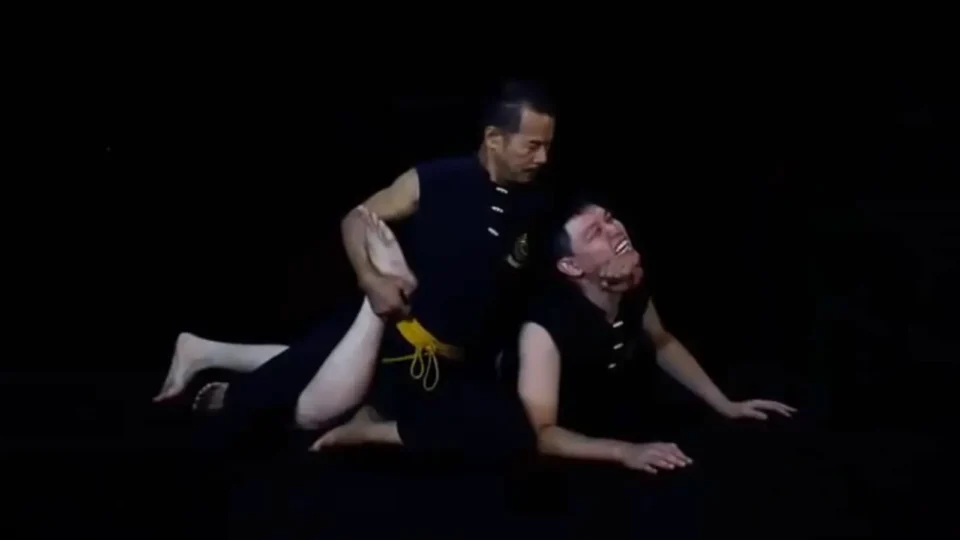
มาเรียนมวยไชยา บ้านครูแปรงกันเถอะ
ประโยชน์ของการเรียนมวยไชยา
การเรียนศิลปะป้องกันตัวทำให้เรามีความมั่นใจในตัวเองมากขึ้น โดยเฉพาะคนที่มีนิสัยขี้กลัวหรือขาดความมั่นใจ เพราะรู้สึกว่าตัวเองอ่อนแอไม่มีความสามารถที่จะสู้ใครได้
นอกจากนี้ยังได้เรื่องของการฝึกวินัย การควบคุมอารมณ์ตนเอง ไม่ทำร้ายคนอื่นก่อน และปกป้องคนที่เรารักได้
ป้องกันตัว
เรียนรู้การป้องกันตัวจากภัยคุกคามที่กำลังจะมาถึง
ปกป้องคนที่รัก
ให้ปลอดภัยจากอันตรายและการบาดเจ็บ
ได้ออกกำลังกายไปในตัว
นอกจากจะป้องกันตัวแล้ว สุขภาพก็แข็งแรงอีกด้วย
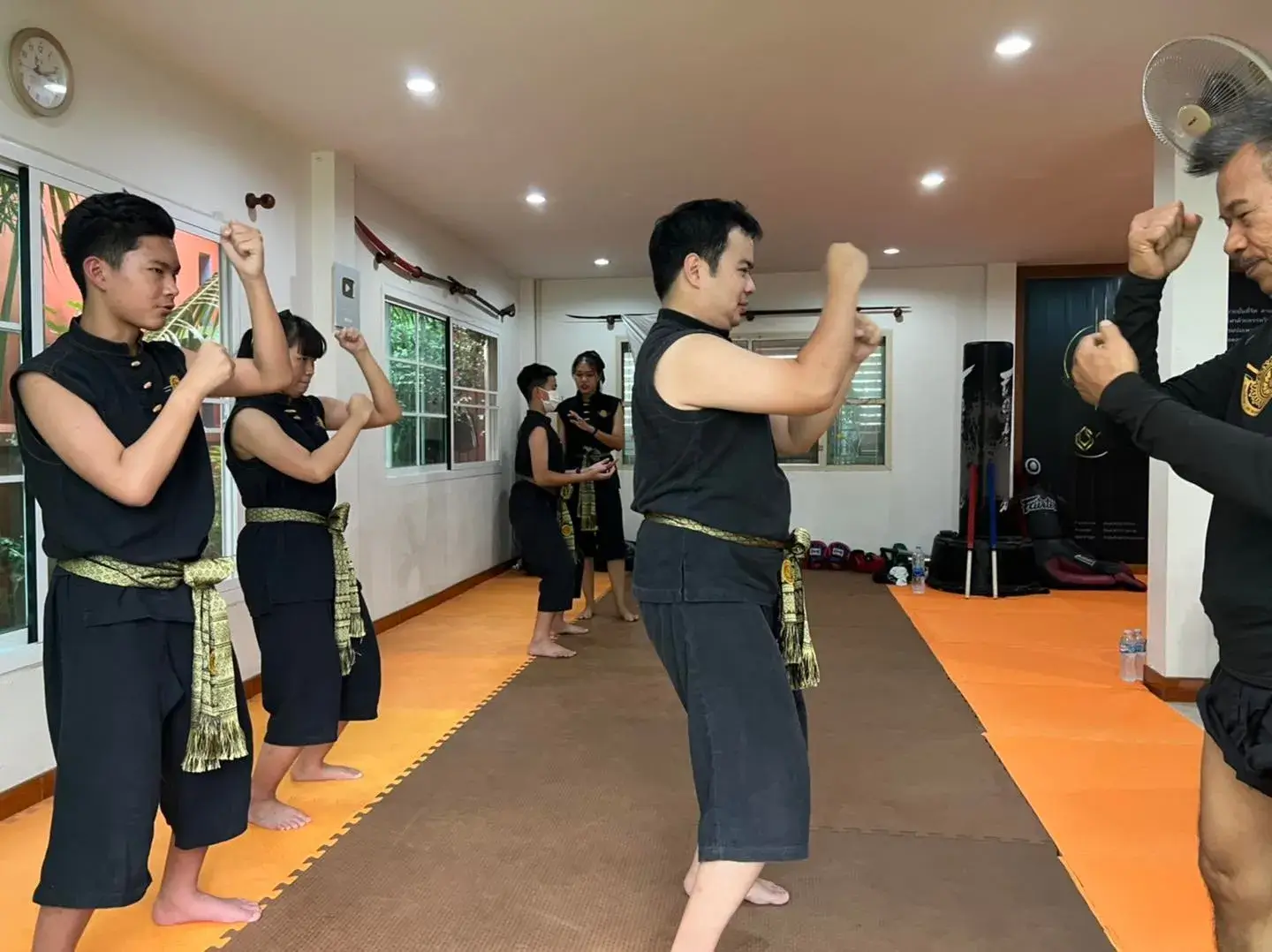
หลักสูตรมวยไชยาที่สอน
เรียนแบบส่วนตัวกับครูแปรง
-ครูแปรงดูแลตลอดการสอน และสอนตามที่ท่านลงเรียนไว้ -เรียนตามขั้นตอนพื้นฐานโครงสร้างหลักสูตรหลักของศูนย์ศึกษาสยามยุทธ์ บ้านครูแปรง สามารถสอบถาม พูดคุยข้อสงสัยกับครูแปรงได้โดยตรง -สามารถนัดเวลาเรียนกับผู้ดูแลตารางงานครูแปรงหรือกับตัวครูแปรงได้โดยตรง -บางโอกาสอาจได้รับเทคนิค/วิชาอื่นบางอย่างตามความเหมาะสมที่ครูแปรงพิจารณาแล้ว -ต้องนัดเวลาล่วงหน้ากับครูโดยตรง -รวมอยู่ในคอร์สออนไลน์ด้วยเช่นกัน

เรียนแบบกลุ่มส่วนตัวครูแปรง
-ครูแปรงดูแล และสอนตามที่ท่านลงเรียนไว้ -มีผู้ลงคอร์สเดียวกันเรียนร่วมคลาสด้วยหากลงเวลานัดตรงกัน -เรียนตามขั้นตอนพื้นฐานโครงสร้างหลักสูตรหลักของศูนย์ศึกษาสยามยุทธ์ บ้านครูแปรง -สามารถสอบถาม พูดคุยข้อสงสัยกับครูแปรงได้ตามบางโอกาสและจะตอบเท่าที่สามารถตอบได้ในขอบเขตเท่านั้น(พิจารณารายบุคคล) -สามารถนัดเวลาเรียนกับผู้ดูแลตารางงานครูแปรงหรือกับตัวครูแปรงได้โดยตรง -เวลาที่ลงอาจซ้ำกับผู้เรียนคนอื่นเนื่องจากเป็นการเรียนแบบกลุ่มที่ครูแปรงเป็นผู้ดูแล -ต้องนัดเวลาล่วงหน้า
ครูผู้ช่วย (ครูคละชาย/หญิง)
-แต่ละรอบการเรียนจะมีผู้มาเรียนไม่ซ้ำกันเนื่องจากเป็นคอร์สที่ท่านสะดวกเวลาไหนก็สามารถนัดเวลาล่วงหน้าและเข้ามาเรียนตามเวลานั้นๆ -ครูผู้สอนจะสลับกันสอนตามเวลาที่ครูผู้สอนว่างคละหญิงชาย เพราะฉะนั้นแต่ละครั้งอาจพบครูผู้สอนไม่ซ้ำกัน -เรียนตามขั้นตอนพื้นฐานโครงสร้างหลักสูตรหลักของศูนย์ศึกษาสยามยุทธ์ บ้านครูแปรง -สามารถสอบถามข้อสงสัยได้ในขณะเรียน และครูผู้สอนจะตอบเท่าที่สามารถตอบได้ในขอบเขตเท่านั้น(พิจารณารายบุคคล) -ต้องนัดเวลาล่วงหน้ากับครูโดยตรง
ครูผู้หญิง/ครูผู้ชาย (ระบุเจาะจงครูผู้สอน)
-เลืกครูฝึกสอนได้ หากเป็นผู้หญิง:ผู้หญิง หรือ ชาย:ชาย จะมีความสบายใจเมื่อต้องถูกเนื้อต้องตัวกันเพื่อจัดท่าทางขณะสอน -ครูผู้สอนคนเดิมตามเจตนาที่ลูกค้าลงไว้ -แต่ละรอบการเรียนจะมีผู้มาเรียนไม่ซ้ำกันเนื่องจากเป็นคอร์สที่ท่านลงกับครูผู้สอนตามตารางเวลา -เรียนตามขั้นตอนพื้นฐานโครงสร้างหลักสูตรหลักของศูนย์ศึกษาสยามยุทธ์ บ้านครูแปรง -สามารถสอบถามข้อสงสัยได้ในขณะเรียน และครูผู้สอนจะตอบเท่าที่สามารถตอบได้ในขอบเขตเท่านั้น(พิจารณารายบุคคล) -ต้องนัดเวลาล่วงหน้ากับครูโดยตรงเท่านั้น


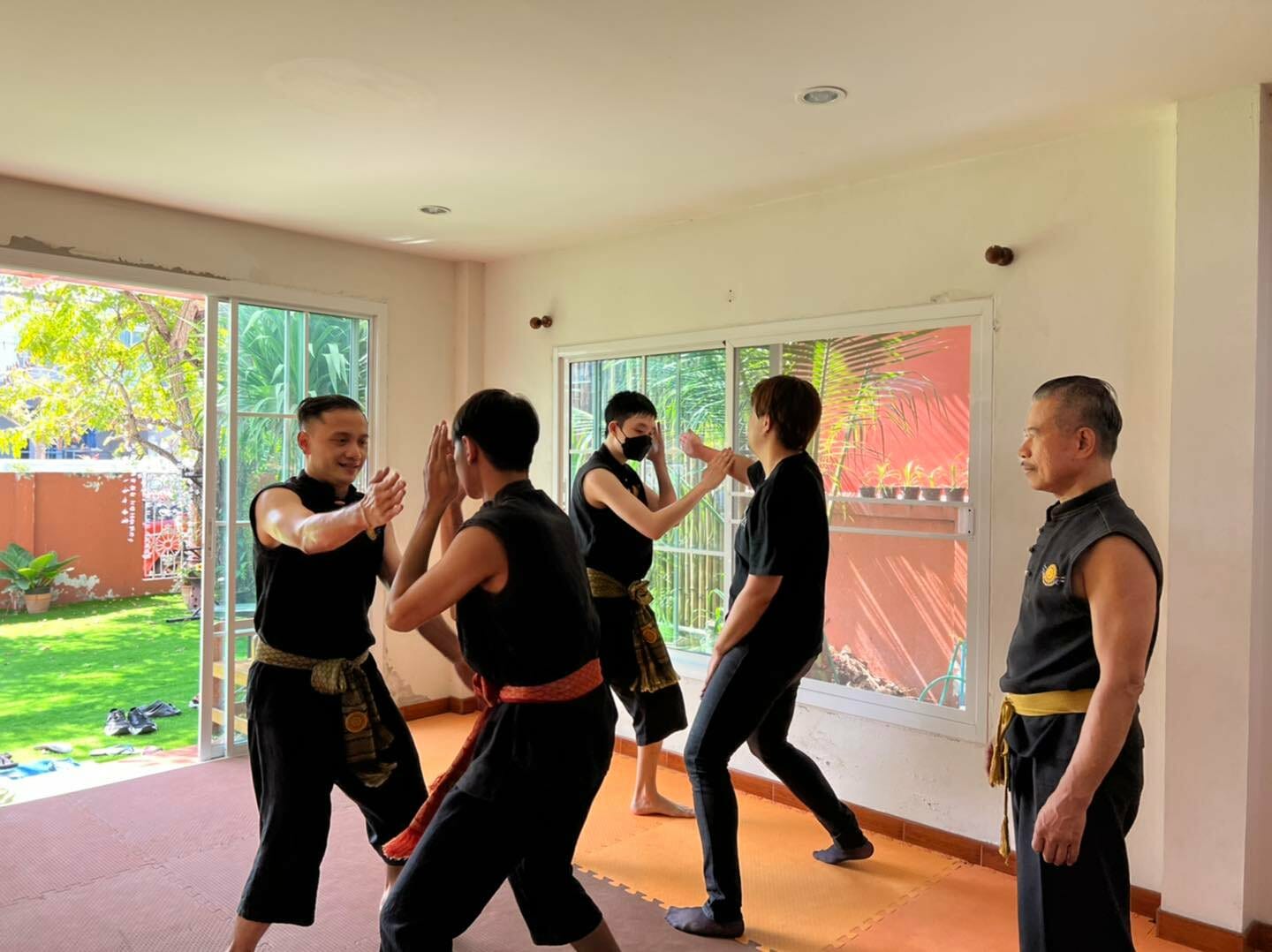
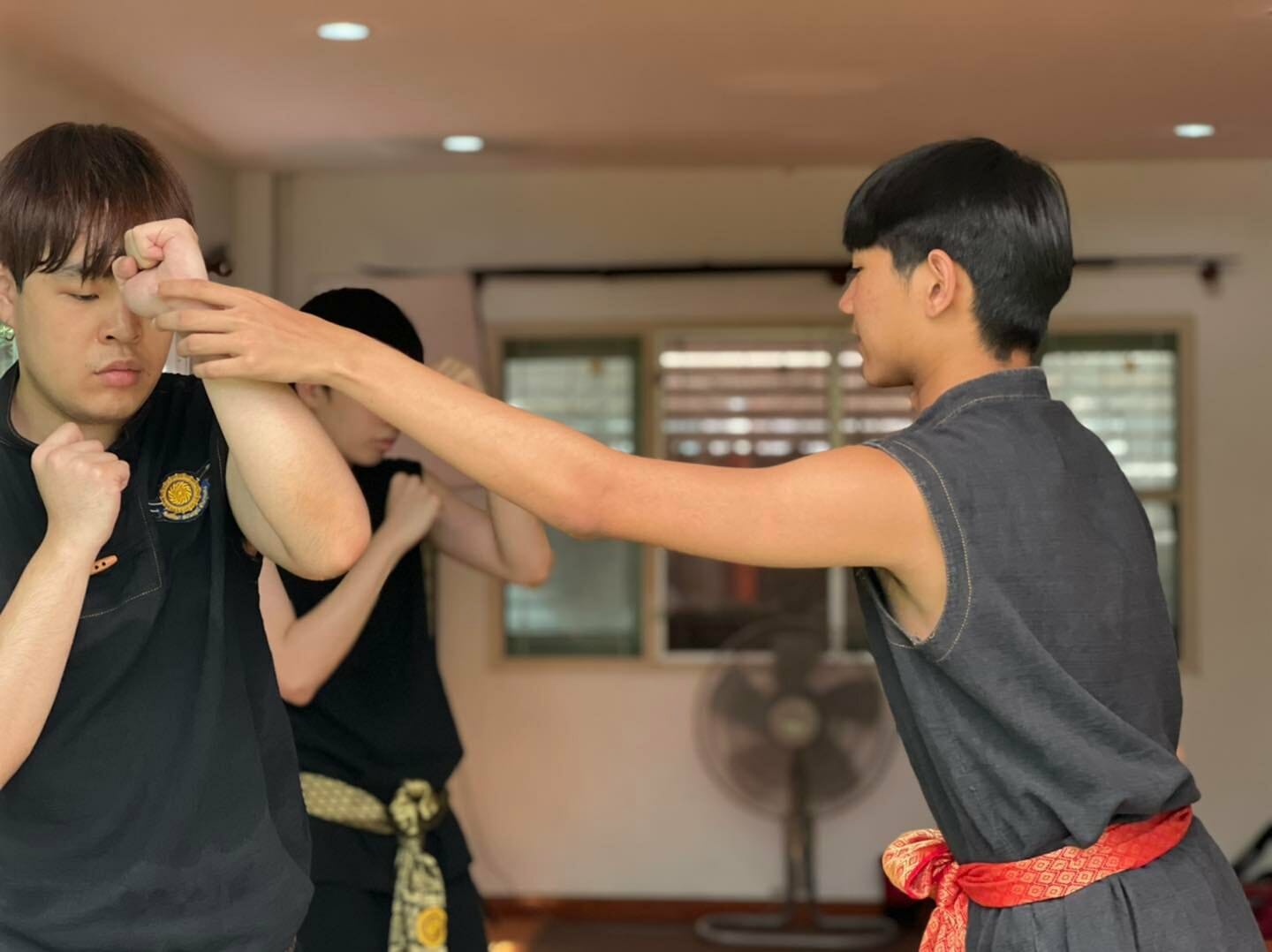
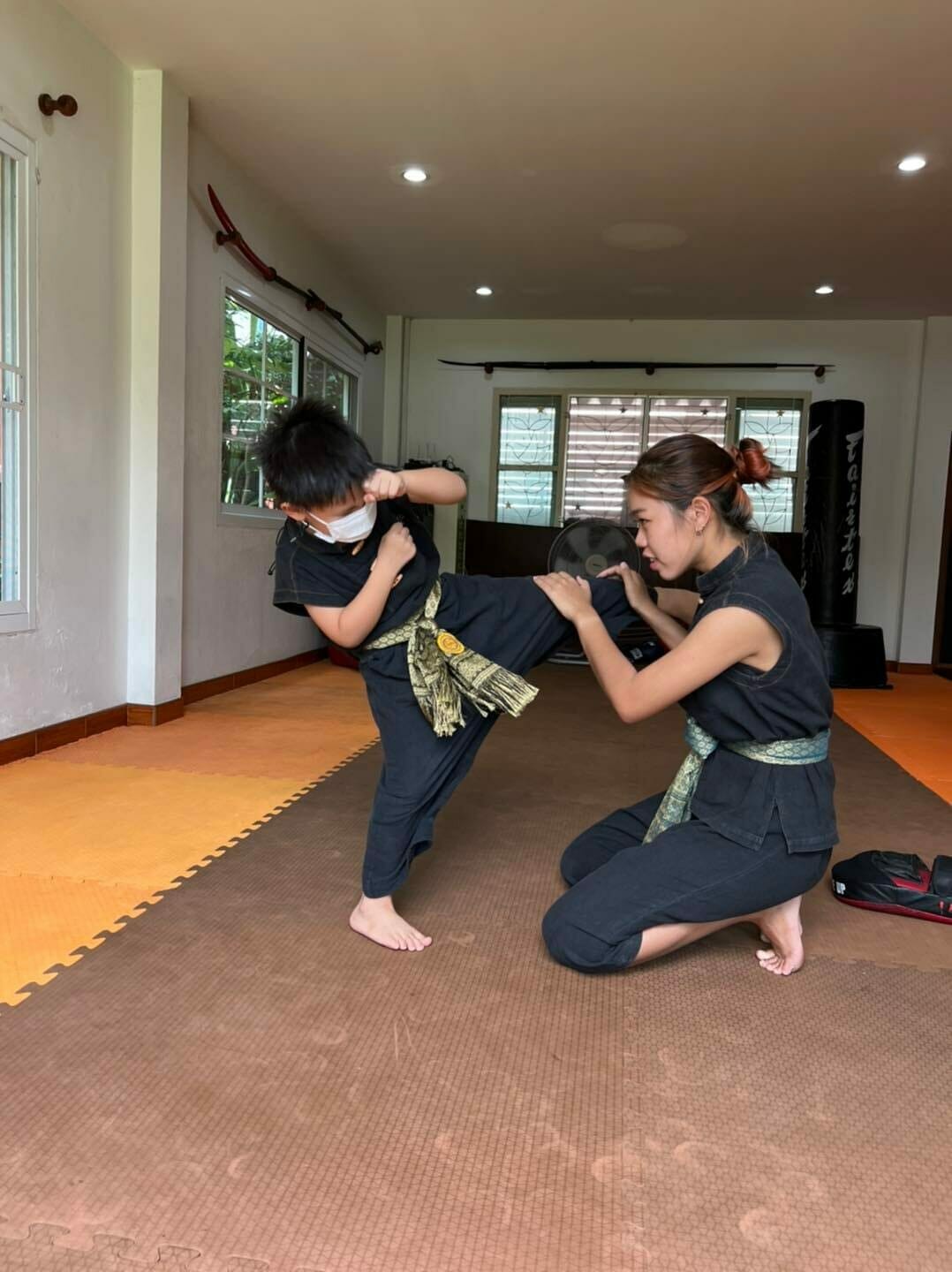
บ้านเมืองจะสงบได้ คนก็ต้องมีหลักธรรม ศีลธรรม ไม่ปล้นฆ่าทำร้ายผู้อื่น วิชานี้ก็ยังใช้ปกป้องตัวเอง เพื่อนบ้าน สังคม เมือง ประเทศชาติ
ถ้ามีพื้นฐานเหล่านี้ มันก็ทำให้บ้านเมืองสงบร่มเย็น รากฐานแข็งแรง เอาความร้ายกาจมาขัดเกลา ใช้วิชานี้เมื่อจำเป็น
ใช้พรหมวิหาร 4 ควบคุม คนก็ไม่รังแกกัน เจอกันก็ทักทายด้วยความดี พูดกันด้วยความอ่อนหวาน ไม่รังแกกัน นี่คือสิ่งที่บ้านเมืองในปัจจุบันควรจะเป็น "
ครูผู้ฝึกสอนประจำสาขาต่างๆ
คำติชมจากลูกค้า
สุดยอดวิชารวมอยู่ที่นี่หมดแล้ว ไม่ว่าจะเป็นมวย ดาบ พลอง มีดสั้น อาวุธต่างๆ หากมีโอกาส มีวิชาติดตัวไว้ไม่เสียหาย

คุณ Whattanapong
พาลูกสาวไปเรียนชอบมากคะ ติดตัวใช้ได้จริง
คุณ Nunoot N
วิชาที่ล้ำเลิศกับการสอนให้คนเป็นคนดีต้องที่นี่ครับบ้านครูแปรง
คุณ Trirong

ส่วนหนึ่งของลูกค้าที่ใช้บริการเรา


งานจัดอบรมที่ผ่านมา


ข่าวและกิจกรรม

สัมมนามีดกายวุธขั้นพื้นฐาน
วันที่ : โปรดรอติดตามเร็วๆนี้
สถานที่ : บ้านครูแปรง
เนื้อหาโดยย่อ : มีดสั้นเป็นอาวุธที่อันตราย เนื่องจากลักษณะของตัวมีดเองที่สังเกตยาก รวดเร็ว และพลิกแพลง ยากแก่การป้องกัน แต่ในขณะเดียวกันก็ยากที่จะแสดงประสิทธิภาพได้ดีเมื่อต้องต่อสู้กับมีดสั้นหรืออาวุธมีคมด้วยกัน หากไม่รู้วิธีการใช้งานที่เหมาะสม
ดูเพิ่ม